
DPC Creams, Membranes & Rising Damp Solutions
Damp is one of the most common problems found in UK homes, particularly in older properties where moisture can enter through walls, floors, basements or damaged external surfaces. Left untreated, damp can lead to stained walls, crumbling plaster, mould growth, timber decay and long-term structural damage.
For homeowners, landlords and property professionals, understanding the right damp proofing supplies can make a big difference. Whether you are dealing with rising damp, penetrating damp, condensation, damp floors or basement moisture, there are a wide range of products available to help protect a property.
This guide explains some of the most commonly used damp proofing supplies in the UK, including DPC creams, damp proof membranes, tanking systems, sealants and other rising damp solutions.
What Are Damp Proofing Supplies?
Damp proofing supplies are specialist products designed to stop, reduce or manage moisture within a building. They are commonly used during repairs, renovations, basement conversions, property preservation work and remedial damp treatment.
The type of product needed depends on the cause of the damp. For example, a property with rising damp may need a new damp proof course, while a cellar suffering from moisture ingress may require a waterproof membrane or tanking system.
Common damp proofing supplies include:
- DPC injection creams
- Damp proof membranes
- Liquid damp proof coatings
- Tanking slurry
- Waterproof renders
- Cavity drain membranes
- Damp proof paints
- Masonry water repellents
- Timber treatments
- Salt neutralisers
- Ventilation and condensation control products
Choosing the correct product is important because treating the visible symptoms alone will rarely solve the problem. Before buying damp proofing supplies, it is always worth identifying whether the damp is rising damp, penetrating damp, condensation or a combination of issues.
DPC Creams for Rising Damp
DPC cream is one of the most widely used products for treating rising damp. Rising damp occurs when moisture from the ground travels upwards through masonry by capillary action. This can cause tide marks, peeling paint, damaged plaster, salts on the wall surface and damp skirting boards.
A damp proof course, often shortened to DPC, is designed to create a barrier that prevents this moisture from rising through the walls. In many older UK properties, the original damp proof course may be damaged, bridged or missing entirely.
DPC cream is injected into drilled holes along the mortar bed of a wall. Once applied, the cream spreads into the masonry and cures to form a water-repellent barrier. This helps stop moisture from travelling upwards through the wall.
DPC injection creams are popular because they are relatively quick to apply and are often less disruptive than older pressure injection systems. They are commonly used in houses, rental properties, commercial buildings and older terraced homes.
However, DPC cream should only be used where rising damp has been correctly diagnosed. If damp is being caused by leaking gutters, high external ground levels, damaged render or condensation, a new injected DPC may not solve the issue.
Damp Proof Membranes
Damp proof membranes are another essential product used in damp proofing and waterproofing projects. A damp proof membrane, or DPM, acts as a physical barrier that prevents moisture from passing through walls, floors or below-ground areas.
There are different types of damp proof membranes available, depending on the application. Some are used beneath concrete floors, while others are fixed to internal walls before plasterboard or finishing systems are installed.
High-density polyethylene membranes are commonly used in property preservation because they are durable, flexible and resistant to moisture. They can be particularly useful when internal walls are affected by damp but the property owner wants a clean, dry internal finish.
Cavity drain membranes are often used in basements and cellars. These membranes do not necessarily block water at the point of entry. Instead, they allow moisture to move behind the membrane and direct it safely towards a drainage channel or sump pump system. This makes them especially useful for below-ground waterproofing, where water pressure can be a major issue.
Damp proof membranes can be used as part of:
- Basement waterproofing
- Cellar conversions
- Floor damp proofing
- Internal wall damp treatment
- Refurbishment projects
- Garage conversions
- Commercial property repairs
When installed correctly, membranes provide a reliable and long-lasting method of managing moisture.
Tanking Slurry and Basement Waterproofing
Tanking slurry is a cement-based waterproof coating used to prevent water from passing through masonry and concrete. It is commonly applied to cellar walls, basement walls, retaining walls and other below-ground structures.
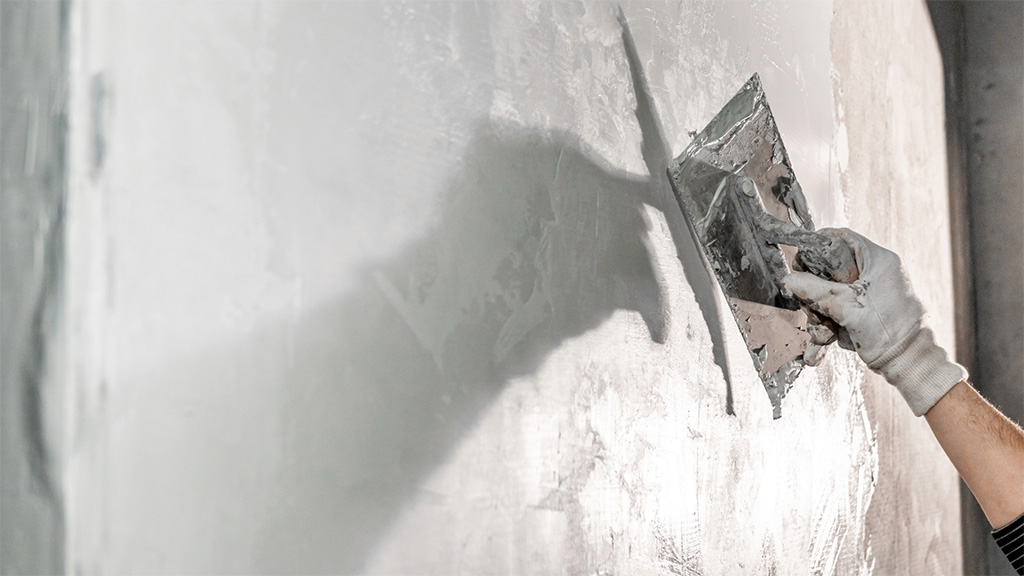
Once mixed with water, tanking slurry is brushed or trowelled onto prepared surfaces. It bonds with the substrate and creates a waterproof barrier. This can help stop water ingress and protect below-ground spaces from damp.
Tanking slurry is often used in basements, cellars and older properties where walls are exposed to ground moisture. It may also be used alongside other waterproofing products, depending on the severity of the problem.
Preparation is key. Surfaces usually need to be clean, stable and free from loose plaster, paint, dust, salts or contaminants. If the wall is not properly prepared, the tanking system may fail.
For significant basement waterproofing projects, it is usually best to get professional advice. Water pressure, drainage, ventilation and structural condition all need to be considered before choosing the right system.
Liquid Damp Proof Membranes
Liquid damp proof membranes are applied as a coating to floors or walls to create a moisture-resistant layer. They are commonly used before installing floor finishes, levelling compounds or tiles.
These products are useful where a traditional sheet membrane is difficult to install, or where a fast-applied surface barrier is required. They can be used on concrete floors, screeds and some wall surfaces, depending on the product specification.
Liquid membranes are often used during renovations, especially where old floors show signs of damp or where moisture readings are higher than expected. They can help protect floor finishes from moisture-related failure.
Masonry Water Repellents
Penetrating damp is often caused by rainwater entering through external walls. Common causes include porous brickwork, cracked render, damaged pointing, faulty gutters or defective roof details.
Masonry water repellents are designed to reduce water absorption through external brick, stone or render. These products are usually applied to the outside of a property and create a breathable water-repellent surface.
The key benefit is that they help rainwater run off the wall while still allowing trapped moisture vapour to escape. This is important because sealing a wall too aggressively can trap moisture inside the structure and make damp problems worse.
Masonry water repellents can be helpful for exposed elevations, older brickwork and properties affected by wind-driven rain.
Timber Treatments for Damp-Related Decay
Damp does not only affect walls and plaster. It can also cause serious problems for timber. Wet rot, dry rot and woodworm are often linked to excessive moisture within a property.
Timber treatment products are used to protect and treat affected wood. These may include fungicidal treatments, wood preservatives and insecticidal treatments for wood-boring insects.
Before applying timber treatment, the source of moisture must be fixed. Treating timber without solving the damp problem can lead to the same issue returning.
Timber treatments are commonly used for:
- Floor joists
- Skirting boards
- Roof timbers
- Cellar timbers
- Window frames
- Sub-floor areas
If rot is severe, affected timber may need to be removed and replaced.
Salt Neutralisers and Renovation Plasters
When damp rises through masonry, it can carry salts from the ground into the wall. These salts can remain even after the damp problem has been treated. They may appear as white deposits or cause plaster to bubble and deteriorate.
Salt neutralisers and specialist renovation plasters are used to manage this issue. A salt neutraliser helps reduce the impact of hygroscopic salts, while renovation plaster allows walls to dry more effectively after treatment.
In many rising damp repairs, old contaminated plaster needs to be removed before replastering. This is why damp proofing is often not just about injecting a DPC. The internal finish must also be repaired properly.
Choosing the Right Damp Proofing Supplies
The right damp proofing product depends on the type of damp, the age of the property, the condition of the walls and the level of moisture present.
As a general guide:
- Rising damp may require DPC cream and replastering.
- Penetrating damp may require external repairs and masonry protection.
- Basement damp may require tanking slurry or cavity drain membranes.
- Damp floors may require a damp proof membrane or liquid DPM.
- Timber decay may require moisture control and timber treatment.
- Condensation may require ventilation, insulation and humidity control.
The most important step is diagnosing the cause correctly. Using the wrong product can waste money and delay proper repairs.
Professional Damp Proofing Advice
While some damp proofing supplies are available for DIY use, professional assessment is often recommended for persistent or severe damp. A specialist can identify the cause, check moisture levels, inspect walls and timbers, and recommend the right treatment.
This is especially important for older properties, cellars, structural repairs, timber decay and suspected rising damp. A professional damp proofing contractor can also ensure the work is completed correctly and that the chosen products are suitable for the building.
Final Thoughts
Damp proofing supplies play an important role in protecting UK homes from moisture damage. From DPC creams and damp proof membranes to tanking slurry, masonry water repellents and timber treatments, each product has a specific purpose.
The key to successful damp proofing is not simply buying the strongest product. It is choosing the right solution for the right problem. By correctly identifying the source of damp and using appropriate materials, homeowners can protect their property, improve internal comfort and reduce the risk of long-term damage.
For serious damp, recurring moisture problems or basement waterproofing work, it is always best to seek advice from an experienced damp proofing specialist before starting treatment.