Damp can make a home feel cold, uncomfortable and difficult to maintain. For many households, the problem is not always caused by one single issue. A property may have cold internal walls, condensation, poor insulation, high humidity, damaged plaster, or moisture entering through the structure. This is why modern damp proofing often needs to look beyond simply treating the visible damp patch. The right solution should help protect the property, improve comfort and reduce the risk of the problem returning.
One option that can be highly beneficial in suitable properties is Isotherm. Isotherm is a specialist insulation and damp-proofing support material designed to improve the performance of internal walls. It can help households dealing with cold surfaces, condensation-related damp, mould growth and poor thermal efficiency.
At A1 Damp Proofing, Isotherm installation is offered as part of a wider approach to damp treatment, insulation and property protection. The team assesses the condition of the property first, identifies the cause of the damp issue, and then recommends a suitable solution based on the building’s needs.
What Is Isotherm?
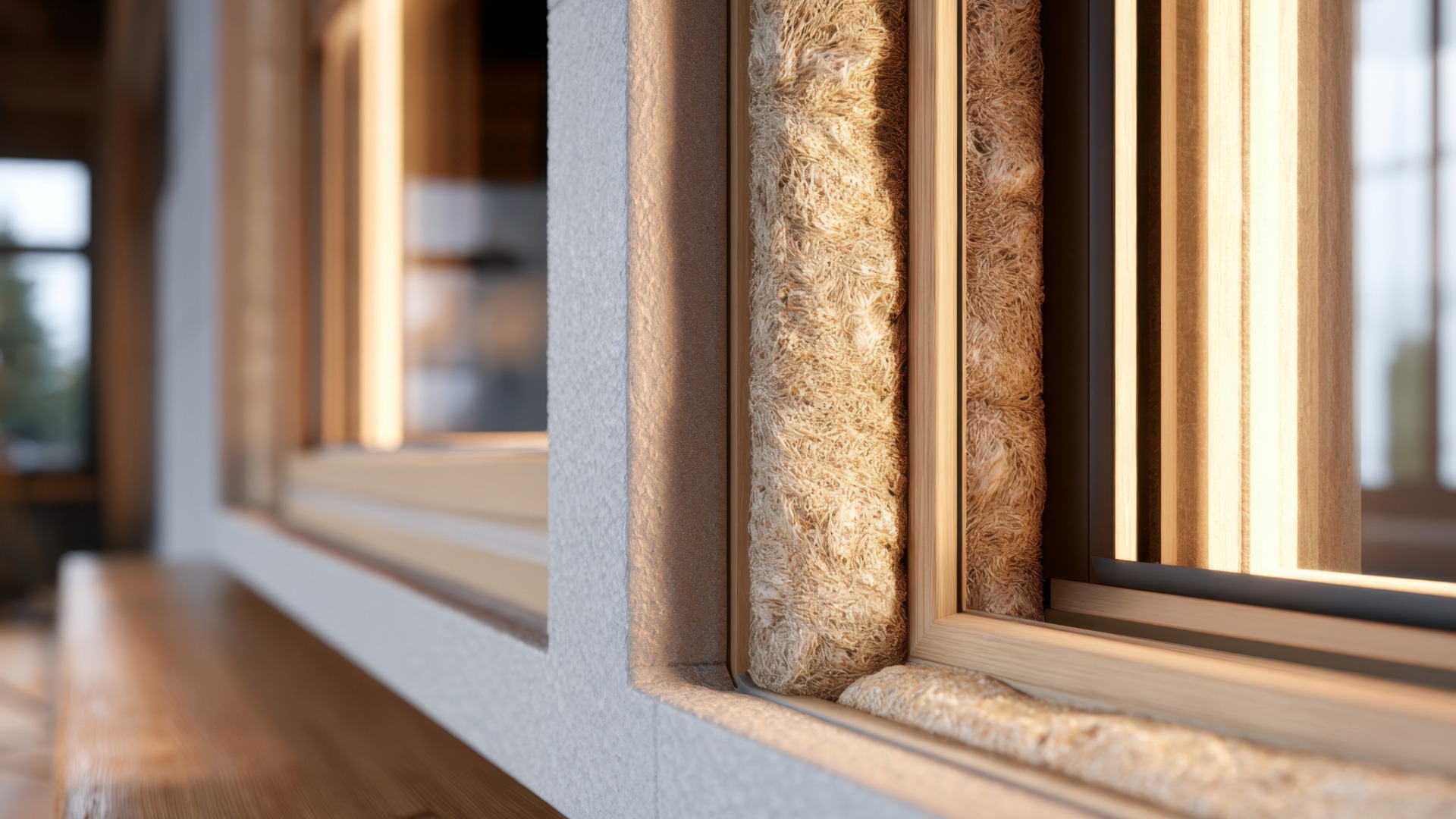
Isotherm is a thin, flexible insulation material that can be installed to internal wall surfaces to improve thermal performance and help create a warmer, more comfortable living environment. A1 Damp Proofing describes Isotherm as a specialist insulation material with a thin profile, flexibility and minimal disruption during installation. Its design allows it to be fitted around wall features and, in many cases, installed without the need to remove door frames or skirting boards.
For homeowners, this can make Isotherm a practical option where a room is affected by cold walls, surface condensation or general discomfort caused by poor insulation. It is not simply about covering a wall. The goal is to improve the wall’s internal surface temperature, reduce the conditions that allow condensation to form, and support a healthier internal environment.
In damp proofing, this matters because condensation is one of the most common causes of damp-like symptoms inside UK homes. When warm, moist air meets a cold wall, the moisture can condense on the surface. Over time, this can lead to black mould, peeling paint, stained walls and a musty smell. By improving the thermal performance of the wall, Isotherm can help reduce this risk.
How Isotherm Helps with Damp-Related Problems
Isotherm can be particularly useful in homes where damp is linked to cold walls and condensation. While rising damp and penetrating damp are caused by moisture entering the building from the ground or outside, condensation is caused by moisture already inside the property.
Everyday activities such as cooking, showering, drying clothes indoors and even breathing release moisture into the air. If a home is poorly ventilated or has cold wall surfaces, this moisture can settle on walls and ceilings. This is especially common in bedrooms, bathrooms, kitchens, bay windows, external walls and older solid-wall properties.
Isotherm helps by creating a warmer internal wall surface. A warmer surface is less likely to attract condensation, which can reduce the chance of mould forming. This can make rooms feel more comfortable and easier to heat.
A1 Damp Proofing’s own wall insulation guidance highlights the link between cold walls, condensation and mould. Poorly insulated walls can allow heat loss, making the home harder to keep warm, while cold walls meeting warm internal air can create condensation and contribute to mould growth and damaged plasterwork. Isotherm is relevant here because it addresses this connection between insulation, comfort and damp prevention.
Benefits for Households
One of the main benefits of Isotherm is improved comfort. Cold walls can make a room feel damp even when there is no major water ingress. By improving the internal surface of the wall, Isotherm can help the room feel warmer and less prone to that cold, clammy feeling often associated with damp homes.
Another benefit is energy efficiency. If walls are losing heat quickly, a household may need to use more heating to maintain a comfortable temperature. A1 Damp Proofing notes that Isotherm provides insulation benefits that can help reduce energy consumption and lower heating and cooling costs. While it should not be viewed as a replacement for a whole-house insulation strategy, it can be a valuable improvement in specific areas of concern.
Isotherm can also help reduce disruption compared with some heavier forms of internal wall insulation. Because it has a thin and flexible profile, it can often be installed more neatly and with less disturbance to the property. This is especially useful for households that need a practical damp-related improvement but do not want a major renovation project.
It is also adaptable. Older homes often have uneven walls, awkward corners, chimney breasts, alcoves, bay windows and other features that make standard insulation more difficult to fit. A1 Damp Proofing explains that Isotherm’s malleability allows it to fit around different wall features, helping create a more seamless finish.
Is Isotherm a Damp Proofing Solution on Its Own?
Isotherm can be very effective in the right situation, but it is important to understand what it is designed to do. It is most useful where damp problems are related to cold surfaces, condensation and poor internal insulation. It should not automatically be treated as a cure for every form of damp.
For example, if the property has rising damp caused by a failed damp proof course, then the source of that ground moisture needs to be treated. A1 Damp Proofing explains that rising damp occurs when moisture is drawn up from the ground into the lower part of walls, often because the existing damp proof course is failing or has been bridged. In that situation, a specialist damp proof course may be required.
Likewise, if water is entering through cracked render, damaged pointing, leaking gutters or external defects, then the external cause needs to be resolved. Installing an internal product without dealing with the original source of moisture may only hide the symptoms temporarily.
This is why the survey stage is so important. A1 Damp Proofing provides damp surveys designed to identify the type, cause and extent of the damp problem before recommending the correct long-term solution. In many cases, Isotherm may form part of the solution, but it should be recommended after the underlying issue has been properly assessed.
How A1 Damp Proofing Implements Isotherm
A1 Damp Proofing’s approach begins with understanding the property. Their team inspects the affected areas, reviews the symptoms and considers whether the issue is linked to rising damp, penetrating damp, condensation, insulation problems or a combination of factors.
Once the cause has been identified, they can recommend the most appropriate treatment. If Isotherm is suitable, it may be used to improve the internal wall surface, reduce cold spots and support better thermal comfort.
The installation process will depend on the condition of the walls and the type of room being treated. In general, preparation is important. Any underlying damp source should be addressed first, damaged or contaminated finishes may need to be removed, and the wall should be made suitable for the new system.
A1 Damp Proofing highlights Isotherm’s minimal-disruption benefits, including its thin profile and flexibility. This can make it easier to install neatly around existing room features, reducing the need for unnecessary disturbance. Once installed, the system can help create a more comfortable and energy-efficient room while reducing the conditions that contribute to condensation and mould.
Because A1 Damp Proofing also provides wider damp treatment, damp proof courses, structural repairs, cellar conversions and wall insulation services, Isotherm can be implemented as part of a broader property preservation plan rather than as a standalone quick fix. Their about page states that the business has been family-run since 1990 and specialises in damp proofing, remedial treatment and structural repairs for residential and commercial buildings across the North West and North Wales.
When Should a Homeowner Consider Isotherm?
A homeowner may benefit from asking about Isotherm if they have cold internal walls, condensation on wall surfaces, recurring mould, rooms that are difficult to heat, or damp-like symptoms that are worse in winter.
It may also be worth considering in older homes with solid walls, rooms with external-facing walls, converted spaces, bedrooms affected by mould behind furniture, or properties where improving comfort is just as important as treating the damp issue.
However, the first step should always be diagnosis. Damp can be caused by several different issues, and the wrong treatment may not solve the problem. A professional inspection helps ensure the recommended solution is suitable for the property.
Final Thoughts
Isotherm can be a valuable option for households dealing with cold walls, condensation-related damp and poor thermal comfort. By helping to improve the internal wall surface and reduce the conditions that allow condensation to form, it can support a warmer, drier and more comfortable home.
For A1 Damp Proofing, Isotherm fits naturally within a wider damp-proofing and property preservation service. Their role is not only to install a product, but to assess the cause of the problem, recommend the correct treatment and implement a solution that supports long-term protection.
For homeowners experiencing damp patches, mould growth, cold walls or recurring condensation, Isotherm may be an effective part of the answer — especially when installed by an experienced damp proofing specialist who understands how moisture, insulation and ventilation work together within a property.